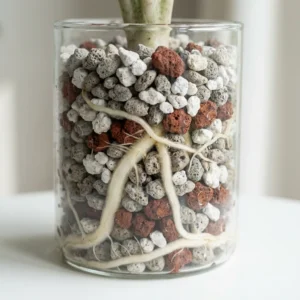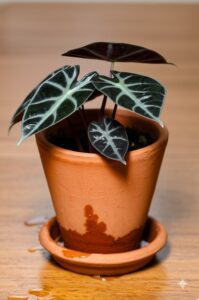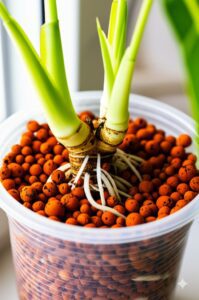
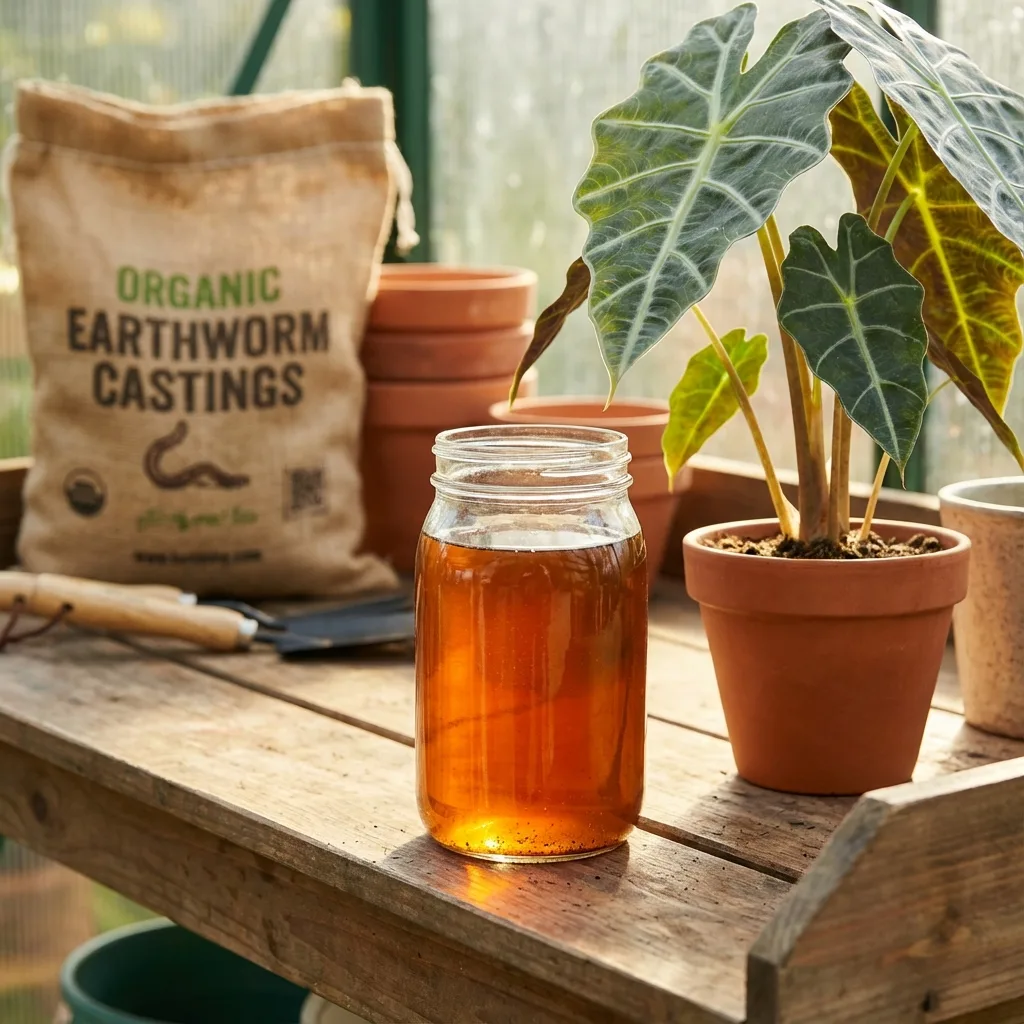
Imagine a fertilizer that never burns your plants, prevents root rot, and makes leaves grow twice as big. It sounds like snake oil, but it’s actually worm poop. Worm Castings Tea (or Vermicompost Tea) is the secret weapon of pro Alocasia growers. It’s not just food; it’s a probiotic inoculation for your soil. Put away the blue chemical crystals—it’s time to brew some magic.
Worm Castings Tea is a liquid fertilizer made by steeping earthworm castings in water (aerated or non-aerated). For Alocasias, we recommend an Aerated Brew (using an airstone) for 24 hours. The standard ratio is 1 cup of castings per 1 gallon of dechlorinated water. It boosts microbial activity, improves nutrient uptake, and protects roots from pathogens.
Jump to Sections
ToggleThe Science: Microbes vs NPK
Most fertilizers focus on N-P-K (Nitrogen, Phosphorus, Potassium). Synthetic fertilizers are like giving your plant a shot of caffeine—fast energy, but it crashes the soil ecosystem.
Worm Tea is different. It provides steady, low-dose NPK, but its real power is Life. It floods your potting mix with millions of beneficial bacteria and fungi. These microbes eat dead roots, fight off harmful rot (Phytophthora), and break down nutrients so the Alocasia can absorb them instantly.
The Golden Recipe
You don’t need a degree in chemistry. You just need a bucket and a pump.
Ingredients
- 1 Cup Earthworm Castings: High quality, fresh (not dry dust).
- 1 Gallon Water: Must be dechlorinated. (Leave tap water out for 24h or use rain water). Chlorine kills the microbes we are trying to grow.
- 1 tbsp Molasses (Unsulphured): This is food for the bacteria to reproduce rapidly.
Equipment
- 5-Gallon Bucket
- Aquarium Air Pump + Air Stone (for Aerated Tea)
- Nylon stocking or Mesh Bag (tea bag)
Step-by-Step Brewing
- Fill the Bucket: Pour in your room-temperature, dechlorinated water.
- Add the Goods: Put the castings in the mesh bag (like a giant tea bag) and drop it in.
- Feed the Microbes: Stir in the molasses.
- Bubbles ON: Drop the air stone in and turn on the pump. It should look like a boiling cauldron.
- Wait: Let it brew for 24 hours. No more than 36h (or the microbes consume all the food and die).
💡 Pro Tip: It should smell Earthy and sweet (like a forest floor). If it smells terrible/rotten, it has gone anaerobic. Do NOT pour anaerobic tea on your plants. Dump it in the compost.
How & When to Apply
Unlike chemical fertilizers, you literally cannot overdo it. It will not burn the roots.
- Soil Drench: Water your Alocasia until it runs out the bottom. This inoculates the root zone.
- Foliar Spray: Filter the tea well and spray the leaves. Beneficial microbes on the leaf surface can suppress powdery mildew and spider mites.
Frequency: Every 2 weeks during the growing season.
Storage Warning (Critical)
Worm Tea is alive. You cannot bottle it and put it on a shelf.
You must use it within 4-6 hours of turning off the air pump. Once the oxygen stops, the good bacteria start dying and bad bacteria take over. Brew only what you need!
✅ Benefits
- Explosive root growth
- Suppresses Root Rot
- Zero risk of fertilizer burn
❌ Drawbacks
- Short shelf life (Use immediately)
- Needs equipment (Air pump)
- Smell (During brewing only)
Frequently Asked Questions
Can I buy bottled Worm Tea?
You can, but it’s usually “dormant” or stabilized. Fresh brewed is 100x more potent. Bottled tea is mostly just weak liquid fertilizer, lacking the microbial explosion.
Can I use this with Leca/Pon?
Yes! In fact, semi-hydro setups lack biology. Adding Worm Tea introduces the beneficial life that Leca is missing. Just flush the reservoir afterwards to prevent buildup.
🌿 Maximize Growth
Pair this tonic with the right light and substrate: