Just when you thought the “Ninja” couldn’t get any stealthier, it went punk rock. The Alocasia Pink Ninja is the plant world’s latest obsession, taking the thick, round, velvety leaves of the classic ‘Ninja’ and splashing them with neon pink and cream variegation. But is it stable? Is it just a chemically induced trick? In this guide, we slice through the confusion and give you the raw data on growing this rare jewel.
The Alocasia Pink Ninja is a variegated sport of the Alocasia ‘Ninja’ (itself a sport of Black Velvet). It requires moderate to bright indirect light to maintain its pink spots. Due to its thick, succulent-like leaves, it is extremely sensitive to overwatering. Use a 70% mineral soil mix or Lechuza Pon, and water only when almost completely dry.
Jump to Sections
ToggleIdentification: Ninja vs Black Velvet vs Pink
There is a lot of confusion in the market. Let’s clear it up. The “Pink Ninja” is NOT a “Pink Dragon” (which is a green plant with pink stems). It is a texture plant.
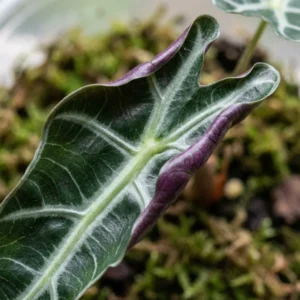
- Alocasia Black Velvet: Oval leaves, thinner edge, black/green.
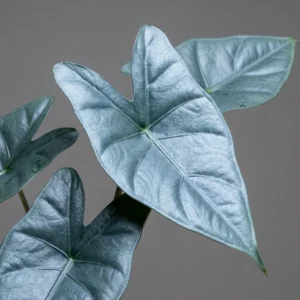
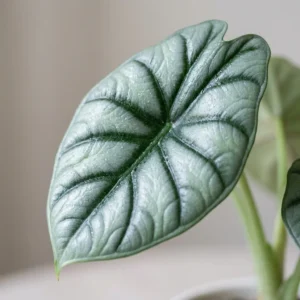
- Alocasia Ninja: Perfectly round leaves, double-rimmed veins (embossed), thicker tissue.
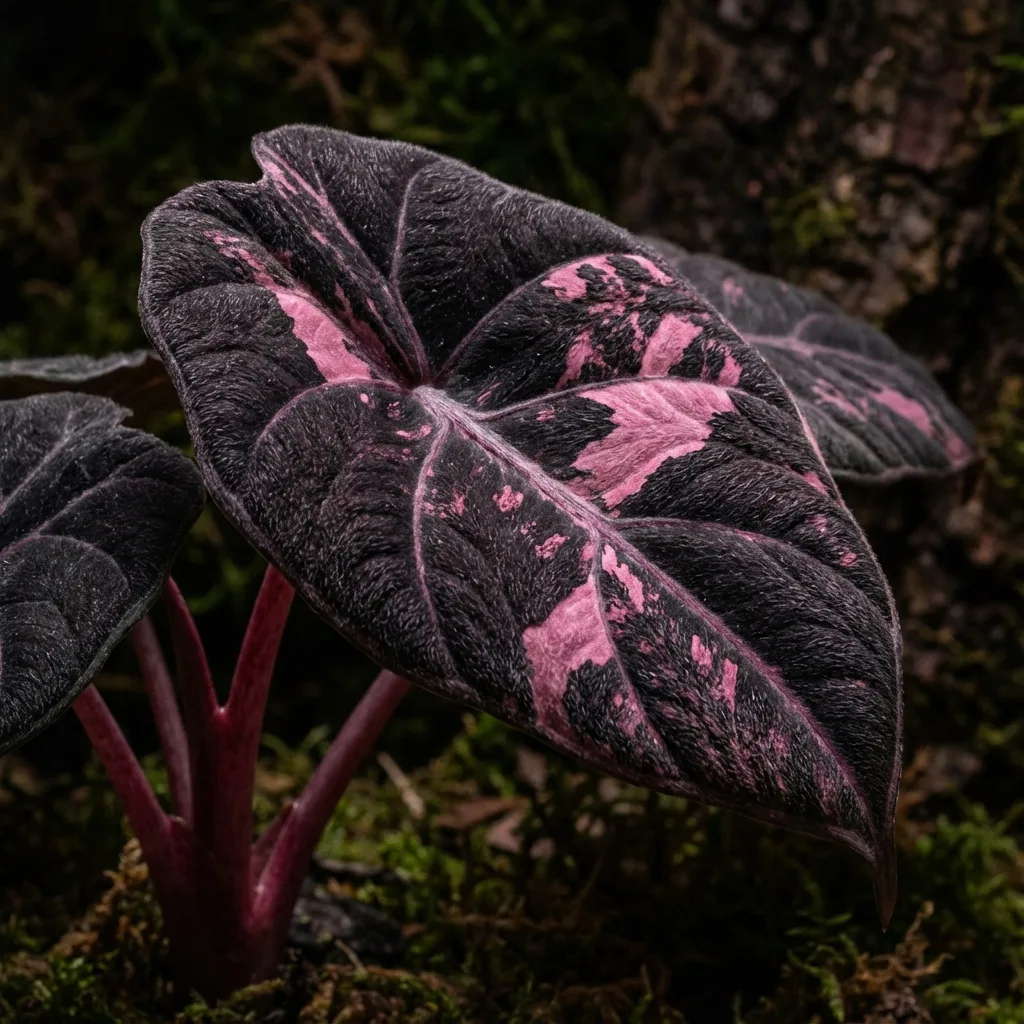
- Alocasia Pink Ninja: Same round/thick structure as Ninja, but with sectoral or splashed pink variegation.
Origin & History
The Pink Ninja emerged from Tissue Culture (TC) batches in Thailand and Indonesia around 2023. Initially, many thought the pink color was ” chemically induced” (like the Pink Congo Philodendron scam). However, we can confirm in 2026 that Pink Ninja variegation is genetic and stable, though it is chimeric. This means it can revert to black or go full pink (which kills the leaf) if not managed correctly.
Growth & Characteristics
This is a true Jewel Alocasia. It stays compact, rarely exceeding 30-40 cm in height. The growth rate is painfully slow. It focuses all its energy on creating those thick, cardboard-like leaves. Do not expect more than 1 leaf per month, even in ideal conditions.
Light Requirements
Here is the paradox: It has dark leaves (low light adapted) but pink variegation (high light needed).
The Sweet Spot: 2,000 to 4,000 Lux.
If you give it too little light, the new leaves will emerge purely dark green (reverting). If you give it direct sun, the pink parts will melt instantly because they lack chlorophyll protection.
💡 Pro Tip: Use a grow light (T5 LED) placed 12-15 inches above the plant. This constant, cool light prevents the “melting” associated with hot sun.
Soil, Water & Potting
The #1 killer of Pink Ninjas is root rot. Their roots are thick and fleshy, storing water like a succulent.
The Mix
Do not use standard potting soil. It needs a 70/30 mineral split.
- 3 Parts Pumice or Perlite
- 2 Parts Orchid Bark
- 1 Part Coco Coir
- 1 Part Zeolite
Pot Choice: Always use a pot slightly smaller than the root ball. These plants love being root-bound. Terracotta is surprisingly good for Ninjas as it wicks away excess moisture.
Temperature & Humidity
While robust, the Pink Ninja hates cold drafts. Keep it above 18°C. Humidity is less critical than for thinner-leafed Alocasias (like Frydek), but 55-65% is ideal to prevent crispy tips without inviting fungal infections.
Propagation Guide (Step-by-Step)
The best way to propagate a Pink Ninja is via corms.
- Wait until repotting day (Spring).
- Gently tease the soil away from the roots.
- Look for small round bulbs attached to the main rhizome by a stolon (runner).
- Snap them off.
- Peel the dark outer husk until you see the cream/pink center.
- Place in damp Perlite or Fluval Stratum in a humidity box.
- Note: Variegated corms may sprout green or pink. It’s a gamble!
Toxicity & Safety
Like all Aroids, the Pink Ninja contains Calcium Oxalate crystals (Raphides). Chewing on a leaf will feel like chewing on glass shards. Keep it strictly away from cats and dogs.
Common Problems & Pests
Spider Mites consider the textured underside of Ninja leaves a luxury resort. The velvet texture makes it hard to wipe them off.
Prevention: Use a soft makeup brush to dust the leaves weekly. If you see mites (tiny white dust moving), spray with diluted Neem Oil or a spinosad-based insecticide.
✅ Happy Ninja
- Leaves flat and stiff
- Pink color is vibrant
- Petiole is rigid
❌ Sad Ninja
- Curling inward: Too thirsty or pests
- Yellow halo spots: Fungal infection (stop misting!)
- Drooping: Root rot (immediate check)
Frequently Asked Questions
Is Pink Ninja stable?
It is relatively stable for a chimeric variegated plant, but less so than a generic variegated Monstera. High light is the key to stability.
Why are the pink spots turning brown?
This is called “browning” or “melting.” It happens when the white/pink tissue dies off due to lack of energy (low light) or staying wet too long. Increase airflow and light.