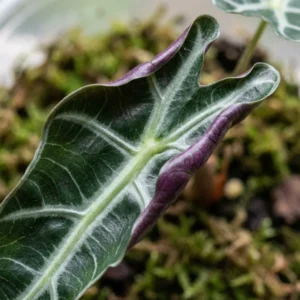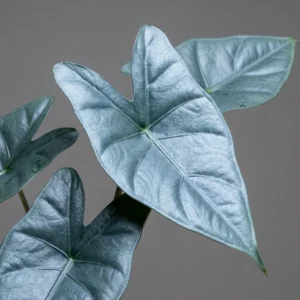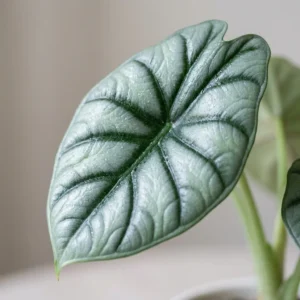
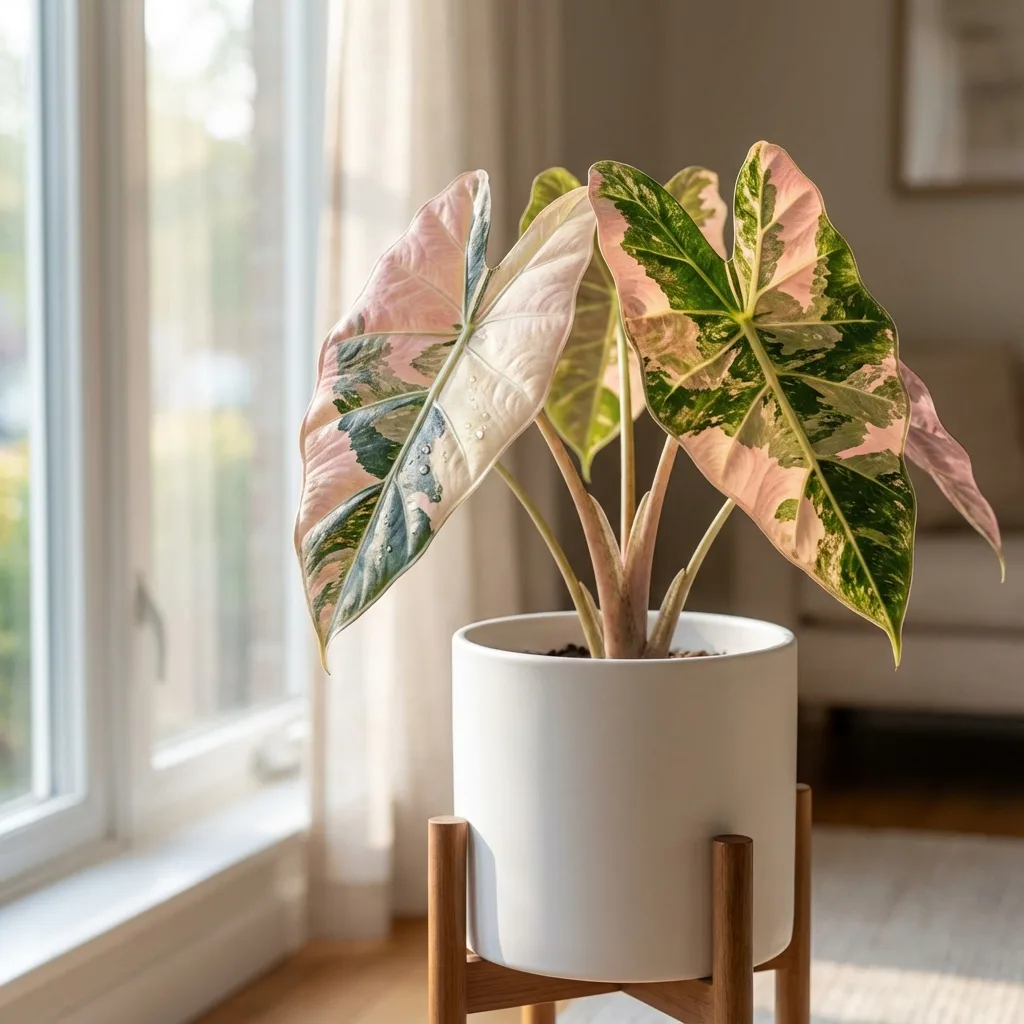
If you thought the “Pink Princess” Philodendron was the queen of pink variegation, wait until you meet the Alocasia Dawn. Often called “Pink Aurora,” this rare variegated form of Alocasia macrorrhiza features stunning splashes of cream, white, and translucent pink that look almost hand-painted. It is, without a doubt, the must-have collector’s plant of 2026.
Alocasia Dawn needs very bright, indirect light to maintain its pink variegation. Because it has less chlorophyll, it grows slower than the standard Macrorrhiza. Use a chunky, well-draining soil mix and keep humidity above 60%. Water when the top inch of soil is dry.
Jump to Sections
ToggleWhat is Alocasia Dawn?
Alocasia Dawn is a highly variegated cultivar of the giant Alocasia macrorrhiza. Unlike the stability of some tissue-cultured plants, the variegation on the Dawn is chimeric and can be unstable, meaning every leaf is a unique surprise.
The “pink” color is actually a visual effect caused by red pigments (anthocyanins) on the leaf underside showing through translucent white patches. This gives it a glowing, dawn-like appearance, hence the name.
💡 Pro Tip: Higher light intensity usually results in more intense pink coloration. In lower light, the pink may fade to a creamy white.
Light Requirements
Lighting is critical for variegated plants. The white and pink sections of the leaf have no chlorophyll, so they cannot produce energy. The green parts must work overtime!
- Intensity: Very bright, indirect sunlight.
- Placement: Right next to an East or West-facing window.
- Grow Lights: Highly recommended. Use full-spectrum LEDs for 12-14 hours a day to prevent the variegation from browning (melting).
👉 Related: Alocasia Light Requirements Guide
Soil Mix & Potting
Like its giant parent, Alocasia Dawn has a robust root system. However, variegated plants are more prone to root rot because they process water slower. You need an ultra-airy mix.
DIY Aroid Mix Recipe
- 40% Orchid Bark (medium)
- 30% Coco Coir (washed)
- 20% Perlite (coarse)
- 10% Earthworm Castings
👉 Related: Best Soil Mix for Alocasias
Watering & Humidity
Watering: Water thoroughly when the top 1-2 inches of soil feel dry. Do not let it sit in soggy soil, or the white parts of the leaves will turn brown and mushy (edema).
Humidity: This plant hails from the tropics. It craves humidity between 60% and 80%. Low humidity is the #1 cause of crispy brown edges on variegated leaves.
Common Problems
✅ Healthy Dawn
- Vibrant pink/white patterns
- Leaves held upright
- New growth is consistent
❌ Troubled Dawn
- Brown Spots: Fungal issue or edema
- Crispy Edges: Low humidity
- Reverting (All Green): Low light
- All White Leaf: Pretty but will die soon
Frequently Asked Questions
Why is my Alocasia Dawn turning brown?
Browning on white/pink sections is usually due to “melting.” This happens from irregular watering (too wet) or lack of light. It can also be a sign of low humidity.
Is Alocasia Dawn rare?
Yes, it is still considered rare in the 2026 market, though tissue culture is making it more available. Specimen-sized plants command high prices.
🌿 Discover More Rarities
Expand your collection with these guides: